



The worst case of FOMO ever? I was driving on a trip around 1985 and was using my Motorola Dynatac 8000X “Brick Cell Phone” to make a call.
I was on a long drive, and the phone did not offer an external speaker. My arm grew tired holding the four-pound mobile phone, so I did the unmentionable.
I pulled over to the side of the road, found some Scotch tape in my car, and TAPED THE PHONE TO MY HEAD so I could keep talking. The first time someone passed and looked at me, I thought that the other driver was going to drive off the road because he was laughing so hard!
That… is the worst case of FOMO I recall from that time.
There’s a battle waging inside each of us: FOMO vs. JOMO. Which one is leading your life?
FOMO is FEAR of Missing Out. JOMO is JOY of Missing Out. There’s a big difference.
We’ve all been guilty of FOMO. We’re watching a TV show, and we pull out the smartphone to check the latest news. We’re on the phone with a friend, and we’re also reading from our laptop. Or we’re at a child’s baseball game, and we want to check our email or the latest sale from Amazon.
Even worse, we’re attending a wedding (or a LOT WORSE – getting married!), and we answer the smartphone. We’re afraid to miss the call.
Here’s another true story: I was bass fishing with one of the top 10 bass fishermen in the world at Lake Fork in East Texas, and I had just hooked what appeared to be a monster-sized bass.
And my smartphone rang. I answered the call, the fish escaped, and the bass pro never spoke to me the rest of the day.
I had just hacked off one of the world’s greatest fishermen!
We are AFRAID of MISSING OUT on something, even if we’re not sure what that might be!
Many people will see “scam call” on their phone screen and answer, to make sure they don’t “Miss Out” on something.
I trace FOMO back to 1919, when a cartoonist published “The Pocket Telephone: When Will It Ring?” According to Wikipedia, the “Dick Tracy” detective cartoons showed an atomic-battery-powered wrist radio in 1946, and upgraded it to a wrist TV in 1964.
Two-way radios became staples of military communication just before and during World War II, and engineers from Bell Labs and AT&T developed mobile phones in 1946.
It’s no wonder that our lives are so stressful today. We used to take a break away from the phone while driving between meetings or on the way to and from work. The same cassette player and, later, CD, that used to play music started sharing self-improvement and motivational messages.
My friend Neal Logan delivered a FOMO/JOMO message during the Cleburne Christian Business Club’s Good Friday service, and he caught the full house of 400 by surprise. I had never heard of JOMO, but I realized I needed to seek Joy and relieve myself of some of the pressure I put on myself to attend and participate more than I need to.
Check out this comparison:
FOMO: What it feels like:
- Anxiety that something better is happening without youYou’re constantly checking your smartphone for texts, emails, social media, and invitations
- You compare your life to others
- Typical thoughts:
- “I should be there.”
- “Everyone else is doing something more fun.”
- Result:
- Restlessness, distraction, never fully enjoying where you are
JOMO: What it feels like:
- Contentment with your choicesPeace in saying “no”
- Enjoying your own pace
- Typical thoughts:
- “This is exactly where I want to be”
- “I’m good not going”
- “I’m happy with what I have”
- Result:
- Calm, focus, deeper enjoyment of your time
Here’s the bottom line:
- FOMO is a scarcity mindset – something better is out there
- JOMO is an abundance mindset – what I have now is enough
If FOMO is your brain chasing noise, JOMO is your brain finally turning the volume down.
If you feel you’re missing out on the latest AI developments, or want to know whether ChatGPT or Claude is the better format, please look forward to my next two columns. I queried each of them on “FOMO vs. JOMO,” and you may be amazed by the difference between the two.
I hope you don’t… miss out!
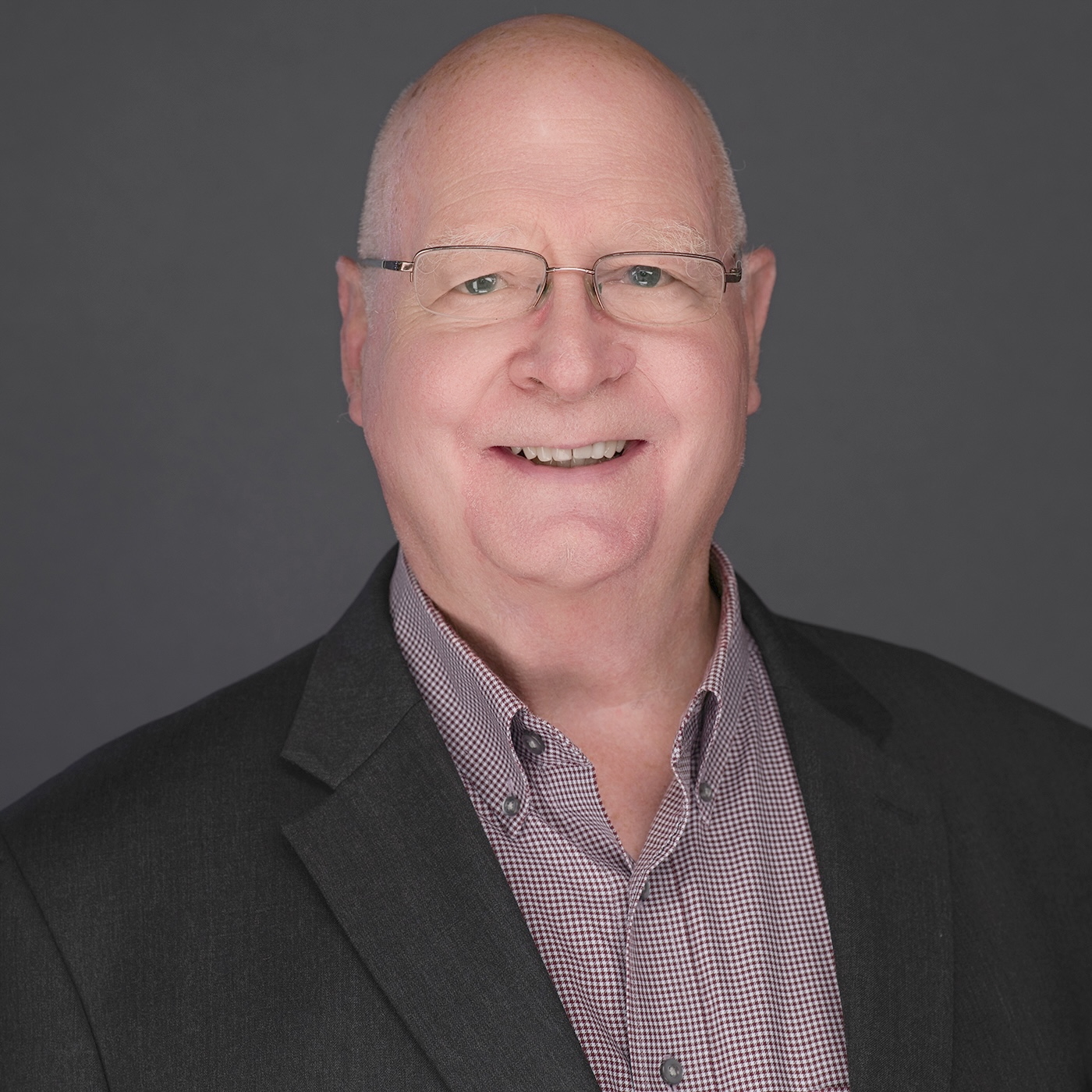
John Fletcher is CEO/Founder of Fletcher Consulting Public Relations in Arlington, where he is a master at connecting friends and clients with important resources and composing award-winning nominations. Contact him at john@thefletch.org
