



Dolly Parton spent a lifetime crafting and performing songs that told stories about everyday life—from heartbreak and joy to just about everything in between.
She put one of her most poignant messages into words when she wrote “I Will Always Love You” in 1973. The song was a farewell at the end of a relationship, and its enduring message has been ringing in our ears since her recent passing: To love others.
Dolly spent a lifetime caring about other people. The most important of those was her husband, Carl Dean, for whom she became a caregiver.
She invested so much of herself in caring for him that, in an interview with TIME Magazine in September, she acknowledged that she “didn’t pay attention” to herself and “let things slide” when it came to her own health.
Dolly Parton was famous for collaborating with everyone from Kenny Rogers and Vince Gill to Willie Nelson, Brad Paisley and Queen Latifah. But when it came to caregiving, she apparently didn’t collaborate enough.
She took on more than she needed to. All out of love.
For millions of family caregivers, that probably sounds painfully familiar.

We see it every day. People sacrifice their own well-being to care for someone they love. A spouse is diagnosed with cancer. A parent begins showing signs of dementia. A partner has a stroke. Suddenly, life revolves around appointments, medications, meals, insurance questions and decisions that can’t be put off until tomorrow.
Sleep becomes harder to come by. Friends may be seen less often. Connections at their house of faith can fade. And despite doing more than they ever imagined, caregivers can still lie awake wondering if they’re doing enough.
Somewhere along the way, the caregiver disappears from their own priority list.
A Nation of Caregivers
This is far from an isolated experience. We have become a nation of caregivers.
The statistics are staggering. According to a national study from AARP and the National Alliance for Caregiving, 63 million Americans—nearly one in four adults—are family caregivers. That’s an increase of roughly 20 million people since 2015.
Think about that for a moment. If you’re sitting at lunch with three friends, chances are one of you is caring for someone at home.
Caregivers support people living with dementia, cancer, heart disease, disabilities and other serious or chronic conditions. According to that same study:
· More than 40% provide high-intensity care, which can include helping someone bathe and dress, preparing meals, managing medications and finances, coordinating medical care and advocating with healthcare professionals.
· 20% of caregivers describes their own health as fair or poor.
· 23% say caregiving makes it difficult to care for their own health.
· 70% of caregivers are also working while providing care.
Caregiving isn’t simply one more responsibility squeezed into an already busy life. It can reshape that life.
And just as Dolly Parton described, caregivers often pay too little attention to their own health and “let things slide.”
That has consequences. When a caregiver’s health begins to suffer, it becomes harder for that person to provide the care a loved one needs.
Dementia Caregiving Brings Additional Challenges
Caring for someone living with Alzheimer’s disease or another dementia brings challenges of its own.
As dementia progresses, changes can affect memory, communication, judgment and the ability to complete everyday tasks. Little by little, a family caregiver may start adding responsibility for meals, transportation, finances, medications, personal care and safety.
Then there are the challenges that don’t fit neatly on a checklist: repetitive questions, wandering, disrupted sleep, resistance to care or increased confusion later in the day, which is called “sundowning.”
And through all of it, the caregiver may be grieving changes in someone they dearly love.
Consider these statistics from the Alzheimer’s Association:
· Nearly 13 million Americans provide unpaid care for someone living with Alzheimer’s disease or another dementia.
· In 2025, family caregivers provided approximately 19.6 billion hours of unpaid care, valued at more than $446 billion.
· 59% of dementia caregivers report high or very high emotional stress.
· 38% report high or very high physical stress.
With numbers like those, simply telling an exhausted caregiver to “take care of yourself” isn’t much of a solution.
Self-Care Shouldn’t Mean One More Thing to Do
We sometimes talk about caregiver self-care as though it’s another assignment: exercise more, sleep more, eat better, meditate, make time for friends.
Of course, those things matter.
But an exhausted caregiver doesn’t necessarily need another item added to an already impossible to-do list. Sometimes the best form of self-care is simply doing less alone.
When someone offers to help, let them.
Instead of automatically responding, “We’re fine,” ask a family member to manage an appointment. Let a neighbor pick up the groceries. Give someone else responsibility for a couple of weekly chores.
Whether online or in person, a caregiver support group connects you with people who understand your experience without needing a lengthy explanation.
Adult day services, home care, and respite care can also provide something every caregiver needs from time to time: a break before reaching the breaking point.
Most importantly, the caregiver’s health needs to be part of the care plan. Not an afterthought. Part of the plan.
Build a Caregiving Team
One of the riskiest assumptions about caregiving is that a loving spouse, daughter, son, or friend should somehow be able to handle everything.
They can’t. And they shouldn’t have to manage this huge responsibility alone.
Love doesn’t create another six hours in the day. It doesn’t replace a good night’s sleep. And loving someone doesn’t suddenly make one person a nurse, social worker, chauffeur, cook, financial manager, and companion.
At James L. West Center for Dementia Care, we encourage caregivers to think of themselves as the CEO of a caregiving team.
A good CEO doesn’t do every job in the organization. A good CEO figures out what needs to be done, identifies the right resources and asks others to help.
Caregiving can work the same way.
For families navigating dementia, James L. West offers free dementia education and caregiver support groups, along with Senior Day Programming, Home Care Services, and respite care.
Dementia-IQ also provides education to help caregivers better understand dementia and navigate the challenges that come with it.
The goal isn’t to become better at doing everything yourself. The goal is to realize you don’t have to.
Caring for the Caregiver Is Part of the Care
Caregiving can be one of life’s most extraordinary expressions of love. It can bring moments of tenderness, meaning and connection that families remember forever.
But caring deeply for someone shouldn’t require sacrificing your own health in the process.
Dolly Parton’s experience offers a powerful reminder of just how easily that can happen. A caregiver becomes so focused on the person they love that their own needs gradually become invisible.
Maybe we need to change one of the questions we ask caregivers. We naturally ask, “How is your loved one doing?” Perhaps the next question should be: “How are you doing?”
And then we need to be willing to listen to the answer. Because caring for the caregiver isn’t selfish.
It’s part of caregiving.
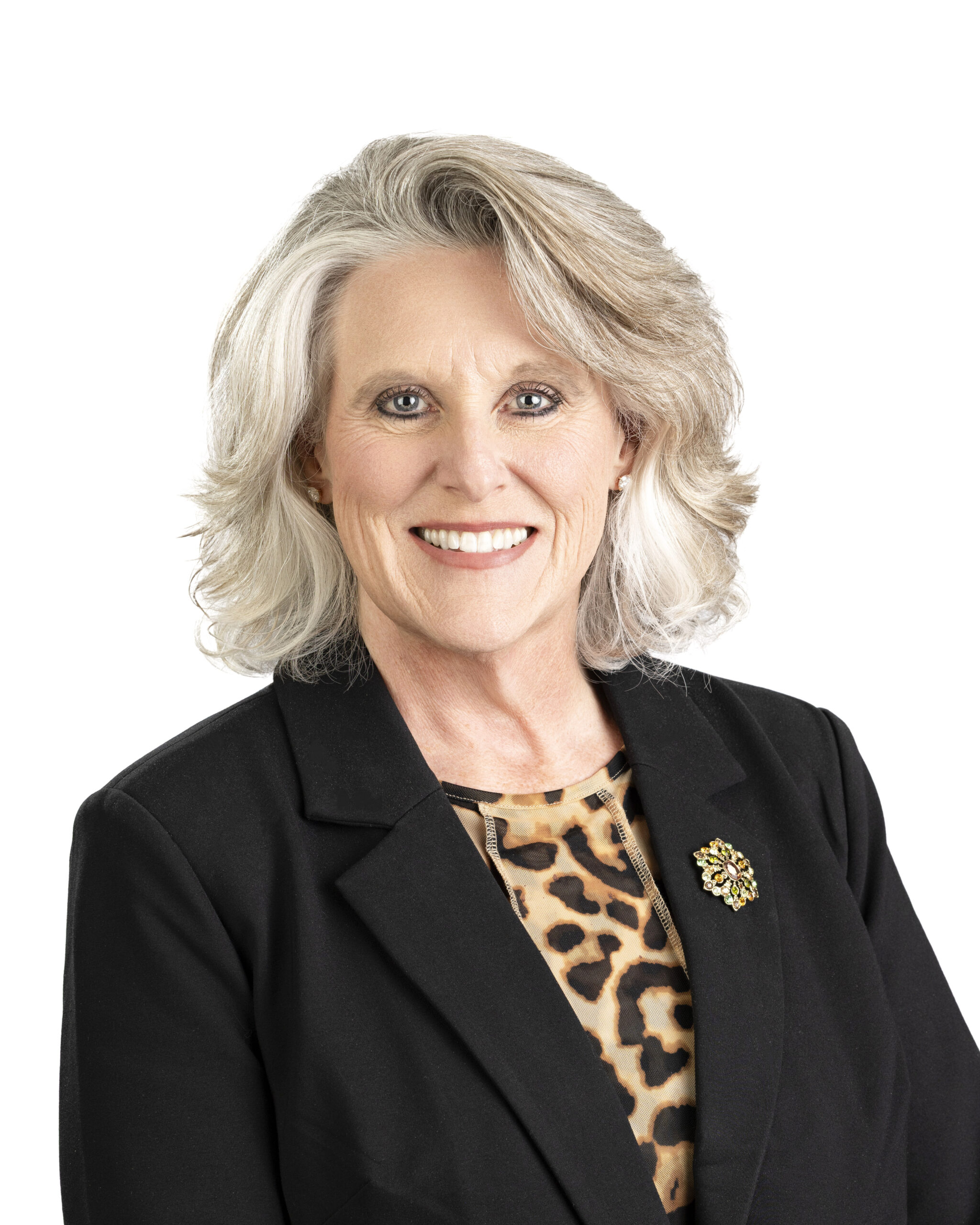
About Cheryl Harding: Cheryl Harding, Ph.D., has served as president and CEO of the James L. West Center for Dementia Care for the past seven years and has led the center to receive national recognition for excellence and innovation. For 33 years, the West Center, a not-for-profit organization, has served those impacted by dementia. Established by Eunice West in honor of her late husband, James L. West, who passed away from dementia, the center continues to build on its excellence in compassionate care and caregiver and dementia education by expanding its service lines to meet the community’s needs. The Center offers residential care, a Senior Day Program, Short-Term Respite Care, and Rehabilitation, In-Home Services, and professional and family caregiver education, which was recently rebranded as Dementia-IQ Powered by James L. West. =